
Why You Need to Be Capturing Video at Events
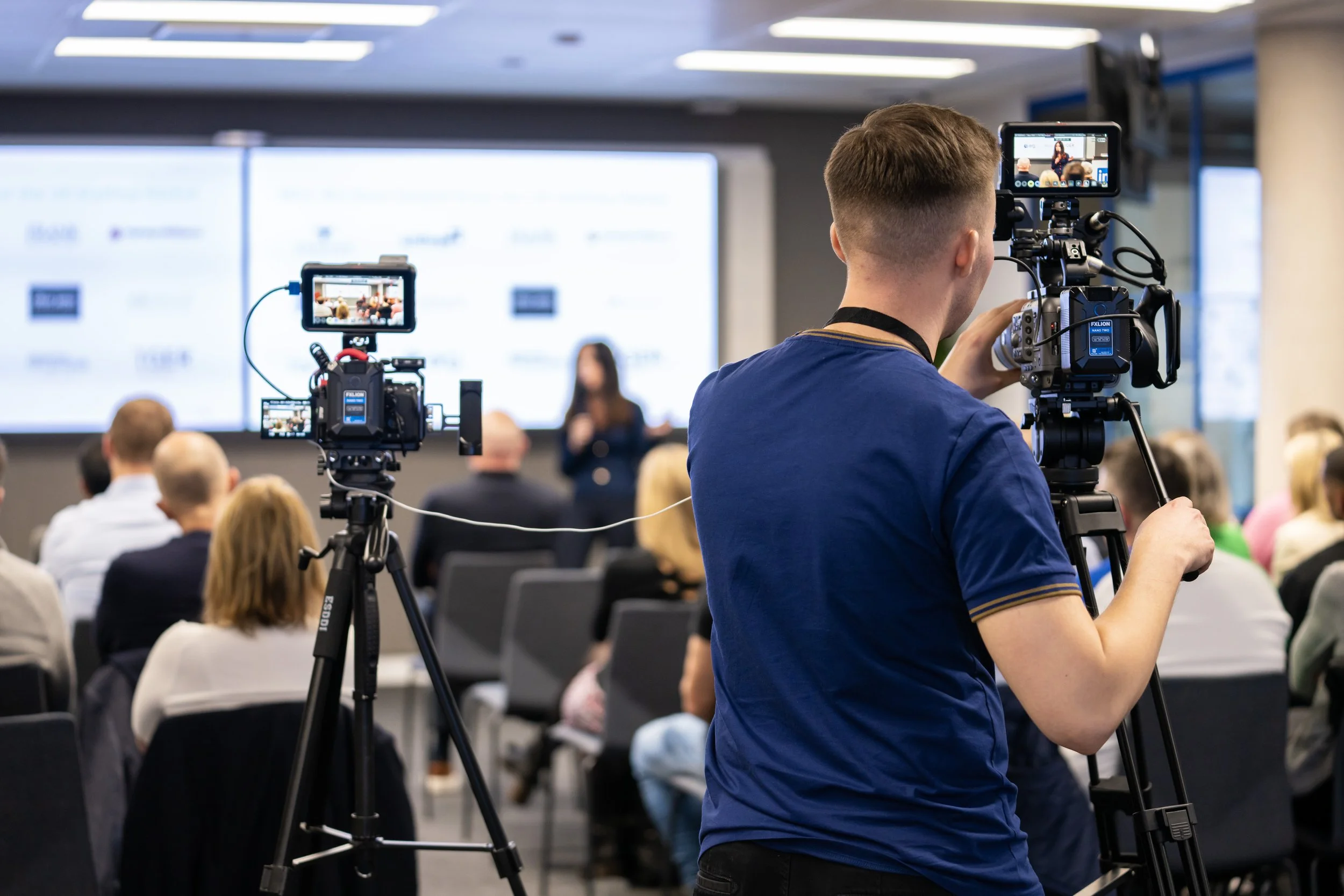
Who remembers that time five years ago when we were in the middle of a pandemic and in-person events seemed as if they were a million miles away?! Fast forward to 2026 and event videos have very quickly become a real cornerstone of our work with so many businesses now wanting to capture everything from conferences, to summits, to networkers and even staff parties.
And they’re doing this for good reason, because events are an exceptional opportunity to create content that shows your organisation in the best possible light. Let’s say you host a networking event, that’s a way of demonstrating you can get influential people in a room together. If you have a staff party, content from that can be used to aid recruitment efforts. Or maybe you’re a business working in a sector where putting on events is a key part of your industry - why not show the world how good you are at what you do?
Point is, events seem to be bigger than ever right now and so is the appetite for them. It’s almost as if Covid has reignited that enthusiasm to be together in a room with people and have meaningful interactions. Sure, Zoom and Teams are great, but the best connections tend to happen in the physical world.
I’ve been shooting events for close to a decade now, but it took me a while to figure out what I actually needed to capture in the footage to make for a great edit. You see, I would often spend so much time filming details like decorations, canapés, drinks being poured, and whilst it’s nice to have a handful of shots like that to set the scene, the real focus needs to be on the engagement in the room and to showcase how many people are immersed in the experience, whatever it may be.
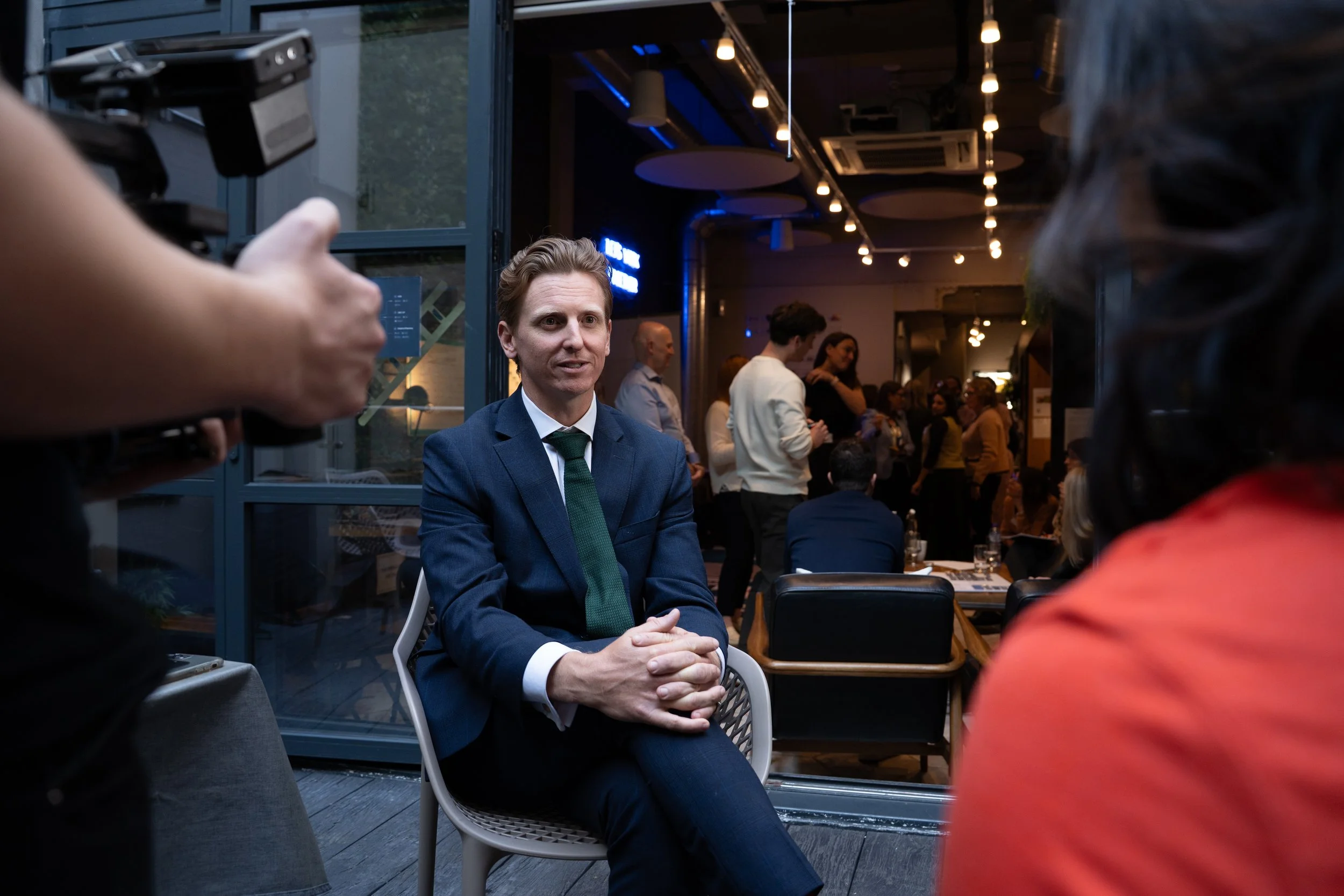
Not all events require a really intricate video, sometimes a montage of well captured B-Roll clips with a good backing track will suffice, but over the past year I have really loved building narratives and conducting interviews with the host company, guests and occasionally speakers to give a real 360 degree view to the people watching. Why was this event put on? Who’s it aimed at? What have you enjoyed most? Simple questions like that are so beneficial for adding context and it just creates for something a lot more engaging than clips to music. Of course, this will depend on the type of event, but if there’s a lot of information to share then this is where that interview-led type of video can flourish - think networking sessions, conferences, seminars etc.
But it’s not just an opportunity to create video content specific to that event. On a shoot last year with Yakult Science for Health where we captured their ‘Science Study Day’, we took this as an opportunity to create a bank of Q&A videos with scientists, as well as produce multiple videos that discussed the intricacies of the organisation - all this on top of also creating an actual video promoting the study day! This method can be applied to so many organisations because it’s not often that you will have all a lot of key people in a room together, so whilst you have that chance it’s important you maximise it if you can.
Events can naturally be very costly and it’s not uncommon for them to quite easily go into the tens of thousands, which can make budgeting even more funds for video a challenge, but in 2026 businesses need to be looking at this as a chance to capture videos that can prove to be integral. It’s not just about capturing an event and making a nice video anymore, it’s about considering what pipeline of content can be produced and how that is going to be of most benefit to your company.